Description
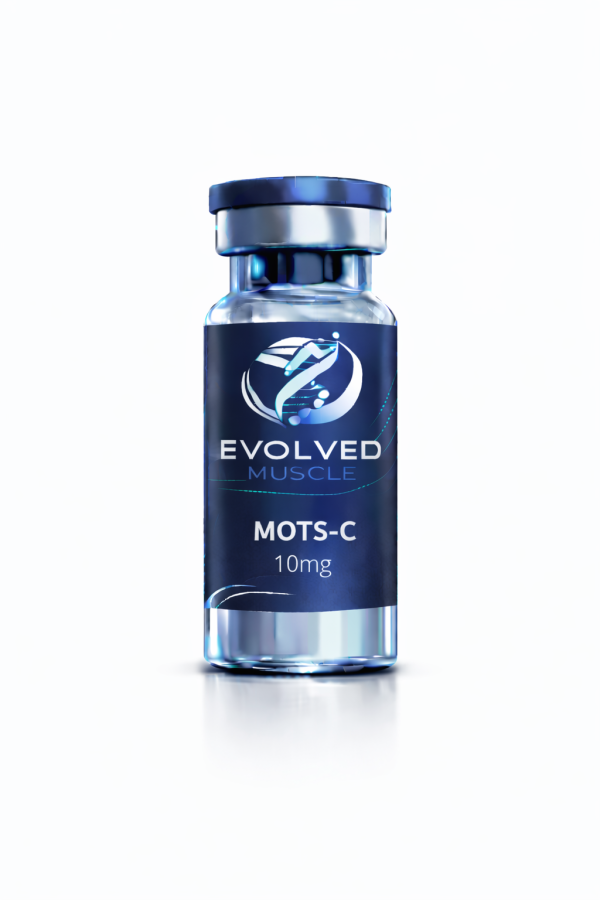
MOTS-c (Mitochondrial Transcript-Encoded Small peptide c) is a naturally occurring peptide produced during exercise that helps regulate metabolism, improve insulin sensitivity, and boost physical performance by enhancing mitochondrial function, with research showing benefits for fat loss, anti-aging, and conditions like diabetes in animal studies, though it’s currently an experimental substance not FDA-approved for human use and banned in sports.
What it is & How it Works:
Origin:
A small peptide encoded by the mitochondrial 12S rRNA gene, released by mitochondria in response to exercise.
Function:
It acts as a signal, mimicking exercise and caloric restriction to improve how cells use fuel (glucose, fatty acids) and enhance metabolic flexibility.
Mechanism:
Activates AMPK (a key energy sensor), improves mitochondrial density, and helps prevent fat buildup in muscles, leading to better insulin sensitivity.